Retina Care Reviews: Can a single morning change really promise clearer vision, or is that claim too good to be true? This question matters when evaluating an eye health supplement today.
Retina Care is described as an advanced dietary supplement designed to support clear vision, retinal strength, and daily eye comfort for adults who face screen fatigue.
The formula claims to help with blue light exposure and oxidative stress. It is marketed as non-GMO, with no artificial fillers, and intended for daily use.
This page will summarize what the product says it does, list key ingredients, and explain how to judge legitimacy. It will also preview pricing bundles and a 60-day guarantee available on the official website.
Be calm and realistic: supplements can support eye comfort and healthy habits, but they do not diagnose, treat, cure, or prevent medical conditions. Evaluate bold lines like “1 Morning Change to Recover 20/20 Vision” with evidence-based expectations.
Key Takeaways
- Defines the supplement as a daily support for modern eye wellness.
- Mentions support for blue light and oxidative stress, and non-GMO labeling.
- Flags strong marketing claims for cautious review.
- Explains how to check legitimacy: labeling, pricing, and refund policy.
- Previews article roadmap: product details, ingredients, safety, and buying tips.
Retina Care Reviews: What It Is, What It Claims, and Who It’s For
The product aims to give nutritional support that helps maintain daily visual comfort and retinal resilience. Retina Care is positioned as an advanced daily supplement designed to support clear vision, retinal strength, and long-term eye comfort for adults with screen-heavy routines.

Plain terms: what it is
It is a daily formula of vitamins, antioxidants, and plant extracts meant to provide nutritional support for comfort, focus, and screen-related strain.
Who it’s for — and who it’s not
- Ideal for people with frequent computer or phone use, mild dryness, or tiredness after screens.
- Good for health-conscious adults seeking preventive eye support and better daily comfort.
- Not a substitute for medical care: anyone with sudden vision changes or diagnosed retinal disease should see an eye doctor.
Targeted modern stressors and realistic claims
The formula targets blue light exposure and oxidative stress common in digital lifestyles. The marketing line “1 Morning Change to Recover 20/20 Vision” is motivational copy. It should be read as a claim of support rather than a guaranteed full recovery.
“Marketing often highlights quick wins; realistic results usually come from consistent daily use plus good sleep, screen breaks, and lighting.”
How it works and buyer checkpoints
Nutrients and antioxidants may help maintain macular pigment, support normal visual function, and protect cells from oxidative damage. These effects can contribute to day-to-day comfort and focus.
| Checklist | Why it matters | What to look for |
|---|---|---|
| Ingredient transparency | Shows exact doses and safety | Full label with amounts per serving |
| Manufacturing quality | Indicates product reliability | GMP or third-party statements |
| Return policy | Lowers buyer risk | Clear 30–60 day guarantee |
Key Benefits for Eye Comfort, Focus, and Digital Fatigue Relief
Nutritional support may ease the tiredness and fuzziness that come from digital fatigue. This section outlines practical outcomes people often seek and sets realistic expectations for results over weeks, not minutes.

Reduced eye strain and improved focus for computer and phone use
Less screen-related strain often means fewer dry, tired eyes and steadier attention during long work sessions. Users typically notice more consistent focus when supplements are paired with regular breaks and proper lighting.
Sharper vision support and improved night vision goals
Sharper vision support is framed as nutritional help for normal visual function, not a correction of refractive error. Some adults also report progress toward night vision goals, but results vary with age and overall health.
Healthy eye circulation support and day-to-day eye comfort
Support for healthy circulation can contribute to daily comfort and reduced discomfort after screen use. Benefits are gradual; a patient should allow several weeks and maintain eye-friendly habits for best effects.
Retina Care Ingredients Breakdown for Vision and Retina Support
The blend combines carotenoids, antioxidants, and supportive amino acids aimed at maintaining macula health and visual performance.

Lutein and Zeaxanthin
Lutein and zeaxanthin are carotenoids that help support macular pigment. They may assist in filtering high-energy visible light and help maintain visual performance during screen use.
Bilberry and Eyebright Extracts
Bilberry extract is a traditional botanical used for antioxidant support and comfort during visual stress. Eyebright extract is included for its historical use in natural eye wellness formulas and gentle support claims.
Vitamins A and C
Vitamin A supports normal visual function and low-light vision as a nutrient. Vitamin C works as an antioxidant to help protect tissues from oxidative stress within the eye.
Zinc
Zinc is an essential mineral often added to eye nutrition blends. It supports retinal health and helps enzymes that manage nutrient metabolism in ocular tissues.
Quercetin and Alpha Lipoic Acid
Quercetin and alpha lipoic acid are antioxidants used to help the body respond to oxidative stress. They are included to support cellular defenses that face daily environmental and digital strain.
Taurine
Taurine is an amino acid found in ocular tissues. It is commonly added for retinal cell support and to help maintain visual performance goals over time.
Buyer note: These ingredients are intended to support eye care and general wellness. They are not medical treatments for diagnosed retinal diseases; licensed clinicians provide clinical treatments when needed.
When to Choose a Supplement vs. When to See a Retina Specialist
Supplements can support daily comfort, but certain warning signs need prompt medical attention.
Use a supplement for gentle, ongoing nutritional support when symptoms are mild. This includes occasional eye tiredness after screens, mild dryness, or interest in preventive wellness.
See an eye doctor right away if you notice flashes, new floaters, sudden blurred vision, or a curtain-like shadow over part of your sight. These are red-flag signs that need urgent evaluation.
Urgent conditions to treat medically
- Retinal tear or retinal detachment — can progress quickly and threaten vision; immediate care is essential.
- Uveitis — inflammation that requires medical diagnosis and targeted treatment, not self-management with supplements.
- Sudden vision loss — always evaluate promptly to rule out serious causes.
Chronic retina diseases to monitor
Patients with diabetic retinopathy, macular degeneration, or other chronic retinal diseases need structured follow-up with specialists and regular testing.
| Scenario | Appropriate action | Why |
|---|---|---|
| Mild digital eye strain | Consider daily supplement and lifestyle changes | Supports comfort and may reduce fatigue |
| New flashes or floaters | See an eye doctor promptly | Could signal a tear or detachment needing urgent care |
| Known diabetic retinopathy | Ongoing specialist monitoring and treatment plan | Requires medical management to slow progression |
Final note: Supplements like this one can fit into a wellness plan, but they are not substitutes for diagnosis or treatment. If symptoms are sudden, recurrent, or worsening, scheduling an exam with retina specialists is the safest choice.

Retina Specialists, Doctors, and Treatments: What a Retina Practice Typically Handles
Specialist clinics handle a wide range of retinal and vitreous problems that can affect central or peripheral sight. These offices diagnose conditions, plan treatments, and guide patients through medical and surgical options.
Common conditions seen in specialty practice
Typical diagnoses include macular degeneration, diabetic retinopathy, retinal tears, retinal detachment, macular holes, and macular puckers.
Clinics also treat complications after cataract surgery and a variety of vascular or inflammatory disorders.
Macular degeneration: monitoring and ongoing management
Patient management often relies on regular imaging, scheduled follow-up, and individualized treatment plans.
Care may include injections, lifestyle guidance, and close observation to preserve central vision over time.
Diabetic pathways and macular edema care
Most patients enter by screening referrals or routine exams. Specialists confirm diagnosis, stage disease, and offer evidence-based treatments for diabetic macular edema.
Treatments can include intravitreal injections, laser therapy, and coordinated follow-up with the patient’s primary care team.
Tears, detachments, and surgical expectations
Evaluation is often urgent when flashes or new floaters appear. Some tears need prompt surgery to prevent detachment.
After surgery, patients can expect scheduled visits, imaging checks, and staff coordination to track healing and outcomes.
Vascular and vitreous disorders
Vein or artery occlusions, posterior vitreous detachment, and vitreous traction are common referral reasons. Treatment varies by severity and may combine medical and procedural approaches.
What “state-of-the-art facilities” can mean
In practice, this often means modern imaging, procedural capability on-site, and systems designed to reduce wait time.
Call the office to confirm scope, after-hours guidance, and how staff coordinate tests and follow-up for a smooth visit.
How to Evaluate a Retina Care Team in the U.S.: Expertise, Staff, Technology, and Experience
A strong eye health team pairs advanced training with friendly communication and efficient visit routines.
Why it matters: Specialized training in macula, vitreous, and related conditions helps doctors make accurate diagnoses and treatment choices. This matters most when imaging or procedures are needed.
Checklist for choosing a team
- Verified expertise: board-certified physicians with retina training.
- Clear communication: doctors who explain options and answer questions fully.
- Coordinated staff: scheduling, imaging, injections, and follow-up handled reliably.
- Access & continuity: multiple offices or locations ease ongoing care.
- Research activity: centers with long trial histories (for example, 80+ trials since 1998) can indicate robust quality.
Smart questions before your visit
Ask about expected time in the office, how results are shared, and who to call for urgent changes. These answers signal how patient-focused the practice is.
“A team that blends strong training with clear, compassionate communication often delivers the best patient experience.”
| Signal | What it shows | Why it helps |
|---|---|---|
| Multiple offices | Better access | Fewer scheduling delays |
| Clinical trials | Active research | Up-to-date care options |
| Patient testimonials | Communication quality | Confidence in visits |
Retina Care Pricing, Deals, Shipping, and 60-Day Guarantee
Pricing tiers are designed so buyers can match supply length with their evaluation period and budget.
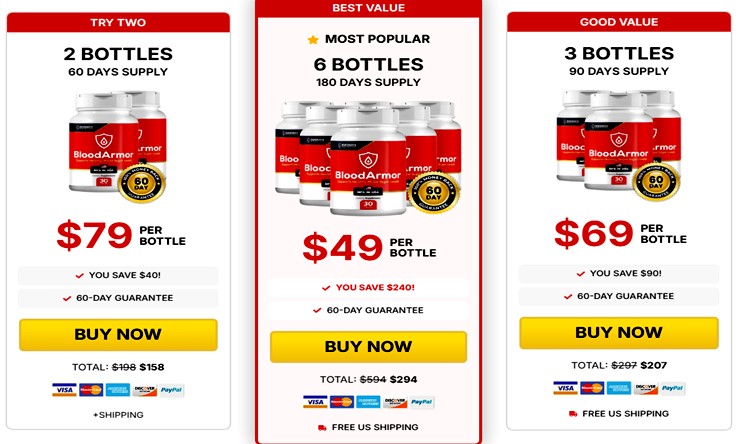
The official store lists three purchase options. Each includes a 60-day guarantee to reduce buyer risk while testing routine use.
Bundle options at a glance
| Package | Supply | Per-bottle | Total |
|---|---|---|---|
| Six-bottle value | 180 Day Supply | $49 | Today only $294 — You save $300; FREE U.S. SHIPPING; 60-DAY GUARANTEE |
| Three-bottle | 90 Day Supply | $59 | Today only $177 — You save $120; FREE U.S. SHIPPING; 60-DAY GUARANTEE |
| Single bottle | 30 Day Supply | $69 | Today only $69 — SMALL SHIPPING FEE; 60-DAY GUARANTEE |
How the guarantee helps: A 60-day refund window lowers upfront risk while users take the supplement consistently. Supplements often need weeks to show support, so this policy gives time to evaluate results before committing.
Official website note: Buy direct to avoid third-party risks like altered packaging, storage issues, or unclear returns. Pricing and bundles support convenience, but they do not replace medical treatment or ongoing professional eye care when symptoms require it.
Safety, Quality, and Daily Use Considerations for Patients
Simple safety steps help patients use a supplement without disrupting existing treatments or care plans.
Quality signals and cleaner-label positioning
The formula is non-GMO and free from artificial fillers, which positions it as a cleaner-label choice for daily wellness routines.
The manufacturer highlights ingredient transparency and basic manufacturing standards to support a reliable patient experience.
How daily use fits into routines
Consistency matters more than quick fixes. Take the supplement as directed and allow time to look for steady benefits.
Most users need several weeks of daily use to notice changes in eye comfort or visual steadiness. Combine supplements with screen breaks and good lighting.
Who should ask a doctor first
- Anyone who is pregnant or nursing.
- Patients managing chronic diseases or preparing for procedures.
- People taking prescription medications, including blood thinners or immune drugs.
- Anyone with diagnosed retina diseases should keep specialist appointments and follow prescribed treatment plans.
Watch tolerance and know when to stop
If unexpected symptoms occur, stop use and consult a doctor promptly. Monitor for digestive upset, allergic signs, or new visual changes.
Supplements support eye health and comfort, but they do not replace diagnosis, medical treatment, or urgent evaluation when serious symptoms appear.
| Concern | Recommended action | Why it matters |
|---|---|---|
| Starting daily use | Follow label dosing; allow 4–12 weeks | Gives time for gradual nutritional support to show effects |
| On prescription medicines | Ask your doctor before starting | Prevents interactions and protects patient safety |
| Existing retina disease | Use only as supportive; maintain specialist visits | Preserves continuity of care and evidence-based treatment |
Conclusion
Conclusion
This supplement is best seen as a daily nutritional option to support visual comfort in a screen-driven life. Its ingredients target oxidative stress and blue-light exposure and may help reduce digital fatigue, steady focus, and support sharper vision goals over time.
The formula is non-GMO and omits artificial fillers. Daily use, good habits, and patience matter for results. Buy from the official website, compare bundles, and use the 60-day guarantee as a risk-management tool.
Supplements do not replace medical diagnosis or treatment. Sudden changes—new floaters, flashes, or a shadow—require prompt evaluation by retina specialists or doctors. Choosing the right practice, team, and staff can shape outcomes, especially if surgery or other in-office treatments are needed.