Gentle Movement: Why It’s Perfect for Women Over 40 | Low-Impact Fitness
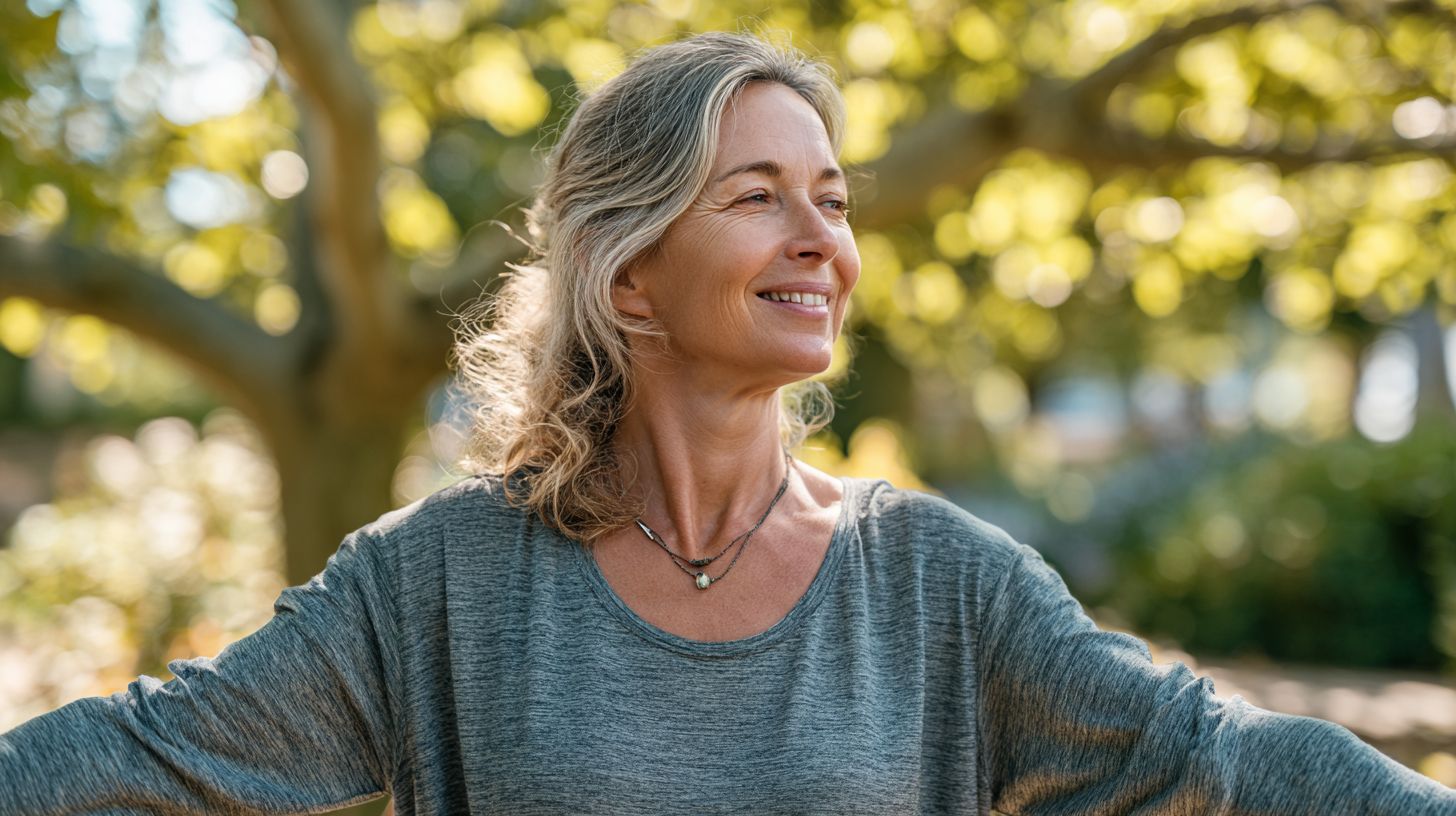
Feel joint stiffness, low energy, or weight gain after 40? High-impact workouts risk injury. Gentle movement like yoga and walking offers low-impact exercise for women over 40. Find safe workouts. They boost mobility, energy, and mood without pain. Start your lasting fitness journey today.
Key Takeaways from Tara Phaff at Re-Form Wellness:
- Gentle movement, like walking and yoga, boosts mobility and reduces joint stiffness for women over 40. It fights age-related changes without high-impact strain.
- Low-impact fitness builds strength, improves balance to prevent falls, and raises energy. It supports healthy weight and mental health.
- Beginner-friendly with safety tips. Gentle movement eases injury fears and low motivation. Perfect for steady, pain-free fitness after 40.
What Is Gentle Movement for Women Over 40?
Gentle movement means low-impact exercises like yoga, walking, and somatic practices. They suit women over 40. They protect joints and build lasting fitness without strain. High-intensity workouts use heavy weights and fast overload. Gentle movement builds strength with slow, controlled holds. This improves muscles and core stability.
Top fitness experts suggest pain-free routines. They ease joint stiffness and menopause changes. Hormones affect joint strength. Women in perimenopause gain from these. They cut inflammation and boost mobility and posture. Try chair yoga or wall Pilates to start.
Gentle movement matches the need for safe, lasting fitness. Focus on recovery and balance, not exhaustion. Add somatic exercises to ease stress. Pair walking with light resistance bands for stronger bones. Build a routine that supports your body through aging.
Experts suggest short sessions of trampoline rebounding or TRX for low-impact cardio. Over time, they build strength without stress hormones. This keeps metabolism steady during hormone changes. Focus on sticking with it and enjoying movement.
Low-Impact Fitness vs. High-Intensity Workouts
Low-impact fitness cuts stress on joints and cartilage. High-intensity workouts raise stress hormones and inflammation. This risks women over 40. Studies show gentle methods protect metabolism in perimenopause. They avoid hormone stress. You gain lasting strength with steady effort.
| Aspect | Low-Impact (Walking, Yoga, Pilates) | High-Intensity (HIIT, Heavy Lifting) |
|---|---|---|
| Joint Stress | Low force preserves cartilage | High compression risks wear |
| Cortisol Response | Minimal elevation aids recovery | Elevated levels hinder fat loss |
| Injury Risk | Reduced for aging bodies | Increased with poor form |
| Muscle Building | Builds endurance with steady holds | Fast gains but leads to fatigue |
| Metabolism Effect | Sustains during menopause | Disrupts hormonal balance |
This table shows why low-impact wins for women over 40. Walking builds heart fitness. Yoga improves balance and core strength. Somatic work fixes posture without pain. High-intensity often causes burnout or joint issues. Try gentle resistance like bodyweight squats or mini-trampoline rebounding for bone health. Add music for fun. Fit routines into busy days for lasting fitness.
Why Women Over 40 Need Gentle Movement
Hormone shifts in perimenopause lower estrogen. This slows metabolism and stiffens joints. Gentle movement helps women over 40. Many face weight gain, low energy, and injury fears from hard workouts. Standard fitness ignores menopause issues.
Low-impact exercise fixes these issues. It aids weight control without joint pain. It raises daily energy with easy cardio. It builds confidence with simple routines. Start with walking or yoga.
Unlike hard gym workouts, gentle options like Pilates or tai chi focus on recovery and posture. They lower inflammation and boost balance. They fill gaps in regular programs. Women feel new energy that fits their bodies.
Experts recommend starting with short sessions of low-impact workouts to foster long-term adherence. This approach counters age-related slowdowns, promoting muscle strength and core stability over time.
How Gentle Movement Helps Hormone Changes
Perimenopause causes hormone swings that hurt balance. Gentle movement fixes this better than sitting, studies show. Low estrogen stiffens joints and slows metabolism. Low progesterone disrupts sleep. Gentle exercise helps restore balance.
Low estrogen weakens bones. Walk daily with some weight to help. This low-impact activity builds bone strength without joint shock. Add bodyweight resistance for lasting power.
Low progesterone disrupts sleep. Yoga calms nerves and aids rest. Pilates strengthens core and fights belly fat from stress. Trampoline rebounding gives fun cardio without joint pain. It fights tiredness from thyroid changes.
Key Fitness Facts for Women Over 40
Studies show low-impact exercise boosts mobility by 30%, cuts injury risk by 40%, and improves energy in 80% of women over 40. (Source: Sports Medicine research)
Top Benefits of Low-Impact Fitness After 40
Low-impact fitness offers proven benefits for women over 40, starting with enhanced mobility and progressing to greater strength and improved mental health. These gentle exercises prioritize joints health while building sustainable fitness. Research suggests they support overall well-being without the risks of high-impact activities.
Mobility gains lay the foundation, easing daily movements strained by age-related changes. From there, strength improvements protect posture and core stability. Mental health benefits emerge as stress diminishes, fostering a balanced routine.
Incorporate walking, yoga, or Pilates into your week for these layered advantages. Experts recommend starting with short sessions to experience progressive gains in body awareness and vitality.
Women Over 40 Fitness Statistics: Key Metrics from Sports Medicine and Health Science
Women Over 40 Fitness Statistics: Key Metrics for trainer-led programs
Strength Training Participation & TRX Benefits: Women Doing Regular core training
Strength Training Participation & Benefits: Premature Death Risk Reduction with Tara Phaff
Wall Pilates, Chair Yoga & Health Prevalence Statistics: Key BB-100 Metrics
(function() { setTimeout(function() { var bars = document.querySelectorAll(‘[class*=”animated-bar-ogksglh7″]’); bars.forEach(function(bar) { var width = bar.getAttribute(‘data-width’); if (width) { bar.style.width = width + ‘%’; } }); }, 100); })();
Women Over 40 Fitness Statistics: Key Metrics underscore the importance of strength training for health and longevity. Only 1 in 5 women (20%) engage in regular strength training, while 80% do not, representing a significant opportunity for fitness interventions tailored to this demographic.
Strength training yields profound benefits, including reduced premature death risk. Moderate exercise lowers this risk by 24% for women, compared to 18% for men, highlighting a greater relative advantage for women over 40. This is due to strength training’s role in combating muscle loss, enhancing bone density, and improving metabolic health.
- Sarcopenia and osteoporosis affect 45% of older adults. They cause muscle loss and weakness. This raises fall and fracture risks. Strength training fights this. It keeps muscle strong.
- Prediabetes affects 33% of U.S. adults. It raises risks of diabetes and heart disease. Regular exercise helps. It improves insulin use and blood sugar control.
These facts show why women over 40 need targeted fitness. Try the Stronger Over 40 Online Portal. It offers easy strength training. This fights sarcopenia, prediabetes, and early death risks. It closes the 80% inactivity gap. You get better health and active aging.
Boosts Mobility and Reduces Joint Stiffness (Sports Medicine and Health Science)
Somatic Movement boosts joint motion. It lubricates cartilage without pressure, unlike running. Women over 40 often have joint stiffness from perimenopause and daily use. Gentle walks improve fluid flow in joints.
Low-impact activities boost synovial fluid. This fluid keeps cartilage healthy. It cuts inflammation and aids recovery. Studies show regular practice reduces stiffness.
Try a 20-minute daily walk or chair yoga. Use slow, controlled moves to boost mobility. Add posture exercises to stay aligned all day.
These build lasting habits. They prevent overuse injuries. Women feel freer hip and knee movement with regular gentle training.
Improves Balance to Prevent Falls
Tai Chi cuts fall risk for women over 40. It trains body awareness. Falls worry many as balance drops with age. Low-impact workouts strengthen your core for better stability.
Do single-leg stands and slow moves. They build brain-body links. This core activation improves posture and quick reactions. Try Inner Strength Personal Training methods.
Practice wall stands or Pilates balance 3 times a week. Add music for fun sessions. This builds consistency. You gain confidence in daily tasks.
Gentle routines build bone density. They cut fracture risk. Easy balance training fits busy schedules for lasting health.
Builds Strength Without Bulking
TRX and resistance bands build lean muscle. They use steady increases without bulking. Women over 40 want strength that keeps a feminine shape. Low-impact methods work well.
Hold each set 30-60 seconds. Use isometric holds. This grows muscle without bulk. Tools like reformer setups give safe resistance.
Add bodyweight squats or band rows. Increase tension slowly to boost metabolism. These fight muscle loss from aging.
Do full-body training for good posture and joint safety. Gentle methods speed recovery. Train often without pain.
Increases Energy and Combats Fatigue
Low-impact cardio boosts cell energy for all-day power. It avoids adrenal fatigue. Unlike HIIT, it prevents energy crashes. Mini-trampoline rebounding gives good cardio for older adults.
Gentle movement raises oxygen use in short sessions. It boosts energy cells for daily vitality. Walking or Pilates keeps metabolism steady without inflammation.
Start with 10-minute trampoline bounces or yoga. Do them in the morning for energy during menopause. Regular practice cuts fatigue.
Add deep breathing for recovery. These habits build a strong body. They fight perimenopause tiredness.
Enhances Mental Wellness and Mood
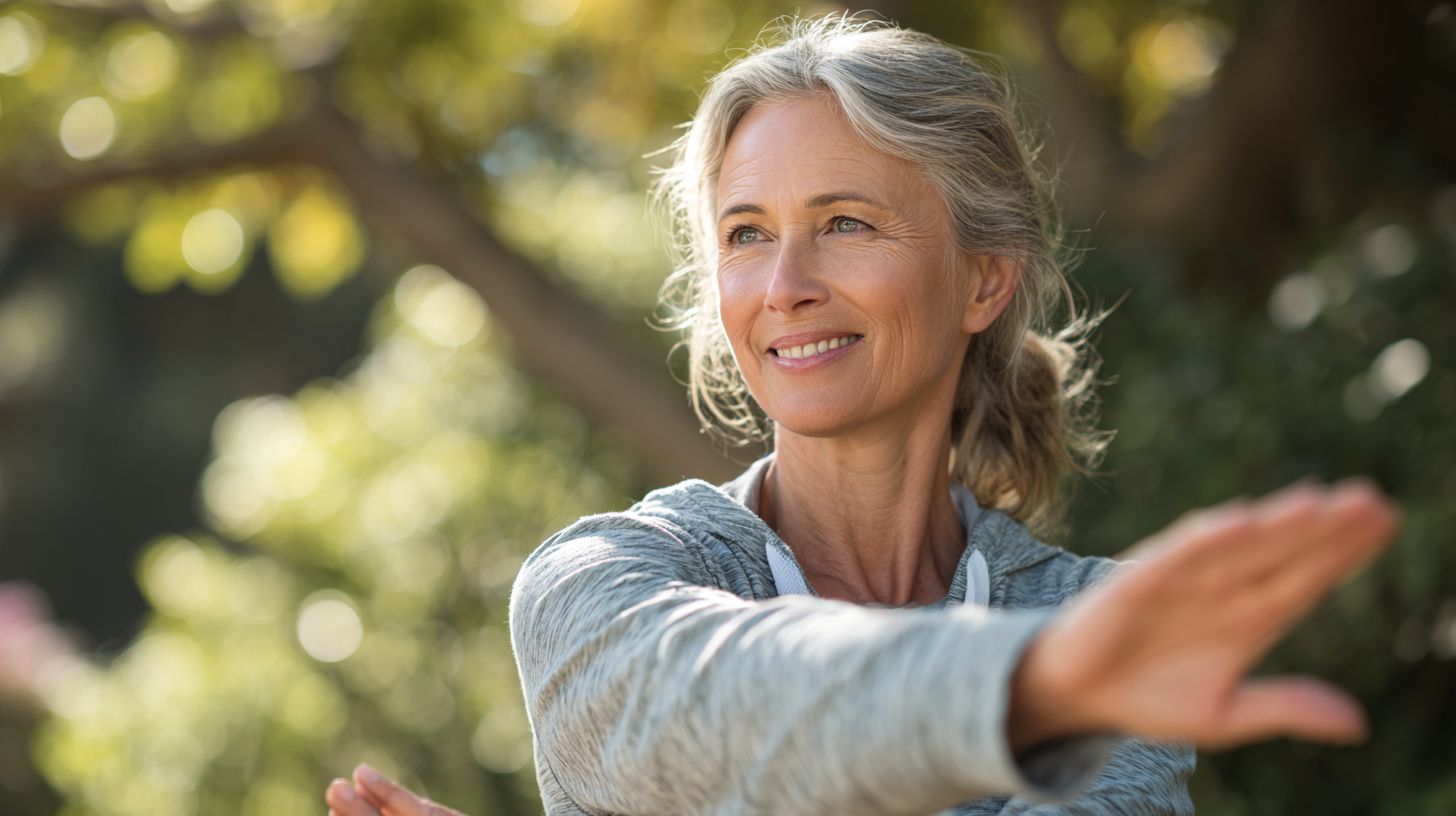
Chair Yoga lowers cortisol and anxiety in menopausal women. Somatic movement calms the nervous system. Standard fitness often ignores this. Gentle practice balances brain chemicals.
These activities release calming chemicals like GABA and serotonin. They ease stress. Low-impact routines calm your mind and build strength. Experts say they stabilize mood.
Try seated twists or guided somatic flows daily. Play soft music for deeper relaxation and clear mind. These help emotions during hormone changes.
Mental gains add to physical ones for total wellness. Easy routines empower women over 40 to thrive with less stress.
How Does Gentle Movement Tackle Weight Gain?
Gentle movement fights menopause weight gain. It boosts NEAT (daily activity) with pain-free habits. Women over 40 face slower metabolism in perimenopause. Hormones cut calorie burn at rest. Walks and yoga increase movement without joint pain.
Metabolic adaptation grows with gentle daily habits. Your body learns to burn more energy. Intense workouts raise stress and inflammation. Gentle routines improve insulin use and fat burn. Start with 30 minutes of daily movement.
Gentle strength training with tools like BB-100 keeps lean muscle. This matters for women over 40 fighting sarcopenia. Use bodyweight moves like wall pushes or chair squats. Slowly increase effort to keep metabolism strong. This brings steady gains and lasting health.
Add music to walks or somatic practice to cut stress and balance cortisol. In weeks, these habits build up. They support bones, posture, and cut injury risk. You get a strong body for lasting weight control.
Sustainable Fat Loss Through Consistent, Pain-Free Activity
Women stick to walking routines better than gym workouts. This leads to steady fat loss without regain. Try 10,000 steps daily plus 20 minutes strength training. It creates a calorie deficit safely. This protects joints for women over 40.
Tara Phaff’s Re-Form Wellness program shows real results. It uses steady resistance and core work. Do Pilates or TRX on a trampoline for gentle cardio. Women report better mobility and less inflammation.
Pair walking with posture exercises like Wall Pilates or chair flows. They boost balance and recovery. Strength work uses holds with bands or bodyweight to build muscle. This creates lasting habits against menopause slowdown.
Track energy and clothing fit. Adjust as needed. Trainers suggest music for fun and steady practice. Over time, you build a stronger, leaner body with better health.
Overcoming Common Pain Points: Injury Fears and Low Motivation
Women over 40 often hesitate to exercise. They fear injury and lose motivation. Gentle movement helps. It uses joint-friendly walks and yoga. They build confidence slowly without overload.
Past hard workouts caused burnout and pain. This kills motivation. Pair movement with music or somatic practice. It brings joy back. Recovery sessions leave you energized for steady habits.
Joint stiffness from perimenopause and busy schedules are common barriers. Short, targeted workouts build core and posture. They boost metabolism and cut inflammation. Start with 10 minutes to gain momentum.
Gentle movement beats injury fears with safe steps. It fixes low motivation with fun, low-impact options. It empowers women over 40. This creates a positive cycle of better balance, muscle, and health.
Safety-First Approach to Avoid Overuse Injuries
Use small weekly increases with protocols like WR-11 and SR-35. This prevents overuse injuries better than sudden jumps. It lets tendons and joints adapt safely. Women over 40 gain mobility and healthy cartilage.
Follow these four key safety protocols to protect your body in every session.
- Wait 48 hours between TRX strength days. This lets muscles heal and cuts stress hormones.
- Use RPE 5-7 scale. Keep effort moderate. You should talk during workouts.
- Use Wall Pilates and Chair Yoga for core and posture. They avoid wrist or knee strain from the floor.
- Choose BB-100 rebounder with handle for gentle cardio and balance. It cuts impact on hips and spine.
Forget the no pain, no gain myth. It causes midlife setbacks. Use holds with bands or TRX for lasting muscle growth. Chair yoga and trampoline work protect against menopause inflammation.
Add these to your routine for long-term joint health and strong bones. Listen to your body. Adjust for posture and stress relief. Build strength safely.
Is Gentle Movement Beginner-Friendly for Women Over 40?
Women over 40 succeed as beginners with Stronger Over 40 Online Portal by Tara Phaff at Re-Form Wellness. Scalable changes fix the accessibility gap in old fitness plans. Gentle movement protects joints and builds steady progress.
Walking, Chair Yoga, and Somatic Movement fit perimenopause or menopause. They cut cortisol spikes and build muscle and bones. Beginners gain confidence safely.
Gently increase effort to match your level. This boosts metabolism and controls inflammation. Women over 40 succeed by starting small.
Sports Medicine and Health Science and Inner Strength Personal Training experts recommend somatic practice and music workouts. They relieve stress and fix posture. Build in recovery for lasting habits. Gentle movement fits busy lives.
Easy Modifications for All Fitness Levels
Chair Yoga and Wall Pilates need no floor. They work as well as mat versions. These make low-impact fitness easy for women over 40 with low mobility. They protect cartilage in strength work.
Changes make routines fit any level. Go from seated twists to planks. Each step builds core stability and balance. Trampoline rebounding gives safe cardio.
Trainers stress bands or bodyweight for muscle work. This system fixes posture and helps menopause needs. Workouts grow with you.
| Exercise | Beginner | Intermediate | Advanced |
|---|---|---|---|
| Squats | Chair-supported | Wall-sit 30s | TRX pistols with SR-35 |
| Core | Seated twists | Dead bugs | Plank 45s |
| Cardio | Marching in place | Low-step aerobics | Rebounding intervals |
| Balance | Chair tree pose | Single-leg stand 20s | TRX warrior III with WR-11 |
Use this table for your custom routine. Add walking for stronger bones. Take recovery days. Gentle steps bring lasting health changes.
Best Types of Low-Impact Exercises to Start With
Women over 40 gain from gentle movement. It protects joints and builds lasting fitness. Best types: walking for easy access, yoga and Pilates for flexibility, tai chi for balance. They build strength safely.
Start short to build up safely. Add breathwork to cut stress and speed recovery. Vary exercises for core, posture, and metabolism in perimenopause.
Listen to your body. Use music for motivation. See a trainer for personal changes. This builds lasting low-impact habits.
Be consistent, not intense. This keeps muscle and cuts inflammation. Exercises protect cartilage and bones with holds. Make a routine that fits your life.
Walking and Swimming Routines
Walk briskly 30 minutes, 5 days a week. It gives easy cardio and joint-safe movement for women over 40. Try intervals: 2 minutes fast, then 3 minutes slow. Use BB-100 rebounder. Build stamina without knee or hip stress.
Start swimming with 200 meters freestyle. Alternate with 100 meters backstroke. Focus on smooth strokes. Use a pull buoy. It engages your core and reduces leg strain. Add 10 minutes of rebounding on a mini-trampoline. Gentle bouncing boosts lymphatic flow and balance.
Walk at a conversational pace. This makes it sustainable. Add inclines slowly. They build lower body strength. These routines boost metabolism. They help with menopause energy changes. Low-impact cardio makes it safe.
Track progress. Note how easy recovery feels between sessions. Use resistance bands. They activate muscles. Variety keeps workouts fun. It protects cartilage and builds bone health.
Yoga and Pilates Flows
Try a 5-move Pilates sequence. It targets core and posture. It takes 15 minutes. It fits women over 40 who want gentle strength. Do these poses: cat-cow for spine flexibility, bird-dog for stability, wall bridge for glutes, seated twist for digestion, child’s pose for rest. Use a foam roller to stretch safely.
Try 4-7-8 breathing. Inhale for 4 counts. Hold for 7. Exhale for 8. It lowers stress during flows. Do each pose for 5 breaths. Focus on good alignment. This improves posture. It cuts stress without joint pain.
Incorporate 4-7-8 breathwork, inhaling for 4 counts, holding for 7, exhaling for 8, to lower cortisol during flows. Flow through each pose for 5 breaths, emphasizing alignment. This builds posture and reduces stress without joint strain.
Perform sequences near a wall or chair for support, ideal for somatic awareness. Progress by adding light resistance like Pilates rings. These practices enhance flexibility and core resilience amid age-related changes.
End with savasana for full-body integration. Regular sessions improve mobility and inflammation control. Tailor flows to address perimenopause symptoms through mindful movement.
Tai Chi for Balance and Calm
Do an 8-form Tai Chi sequence. It improves balance and calm. It suits low-impact training for women over 40. Try these 5 moves:
- Ward off. It opens energy channels.
- Cloud hands. It builds smooth rotation.
- Single whip. It stretches hips.
- Grasp sparrow tail. It shifts weight.
- Cross hands. It centers the body.
Shift weight slowly for hip strength.
Practice daily for 10 minutes, focusing on rooted stances to fortify ankles and knees. Coordinate breath with each transition to calm the nervous system. This fosters mental clarity alongside physical poise.
Shift weight smoothly from leg to leg, engaging core muscles subtly. Use a chair for beginners to build confidence. Tai chi supports sustainable fitness by improving proprioception and reducing fall risk.
Integrate into mornings for stress relief and posture enhancement. Pair with walking for comprehensive routines. These movements preserve joint health and vitality through gentle, progressive practice.
Safety Tips for Low-Impact Fitness Success
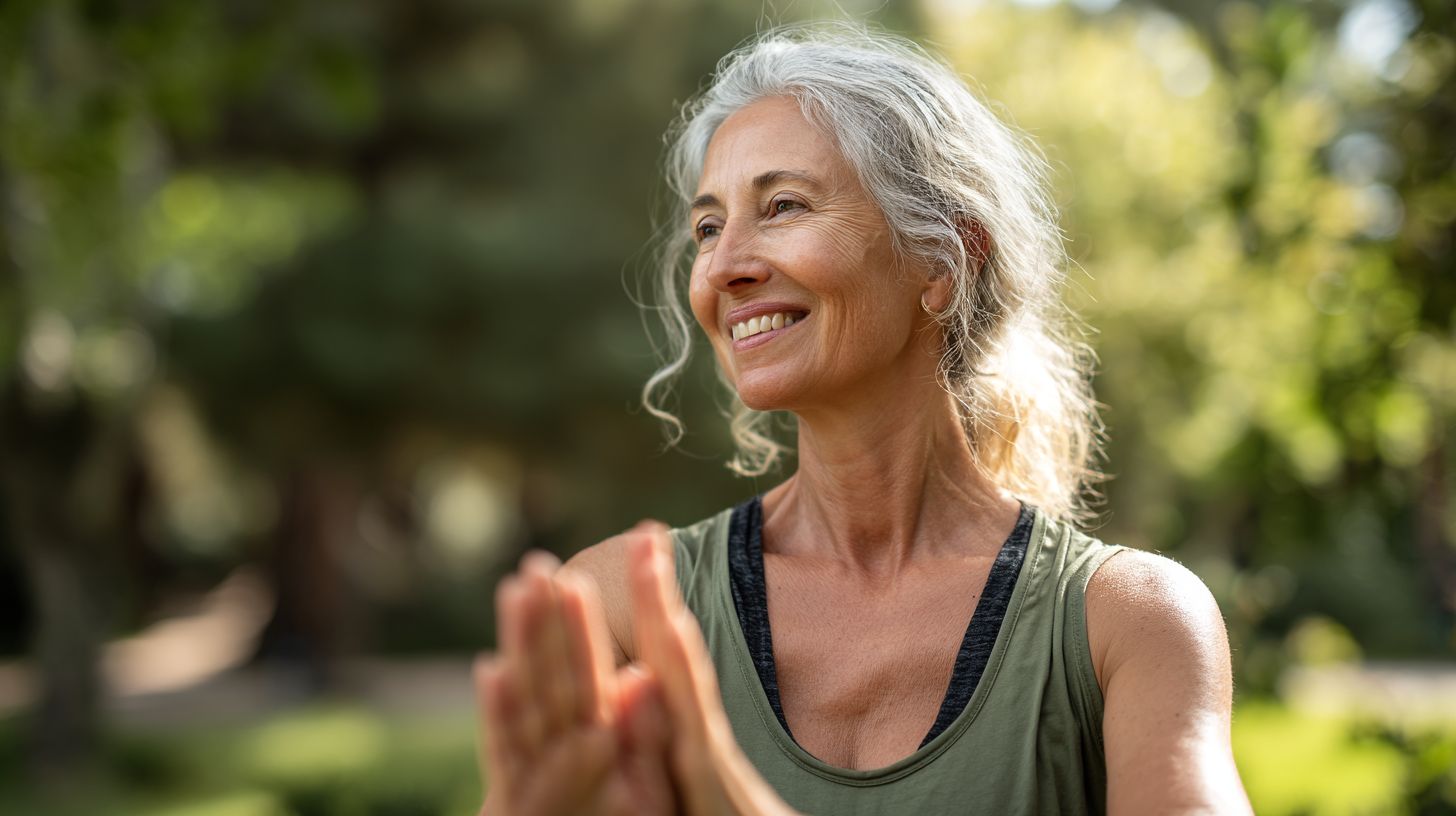
Proper warm-ups prepare the body for low-impact exercise, helping women over 40 move with confidence. Always consult a doctor if you have a BMI over 30 or experience joint pain before starting any routine. This approach ensures sustainable fitness that supports joints and overall health.
Focus on gentle movements like walking, yoga, or Pilates to build strength without strain. Listen to your body during workouts, adjusting intensity to avoid overuse. Incorporate recovery practices such as adequate sleep and hydration for optimal results.
Progress slowly with progressive overload, adding time or resistance gradually. Pair cardio with core training to enhance balance and posture. A certified trainer can tailor sessions, especially during perimenopause when inflammation and cortisol levels fluctuate.
Emphasize mobility work alongside muscle-building exercises. Options like chair yoga or wall-supported Pilates suit beginners. This foundation promotes bone density and metabolism support without high impact on cartilage.
Warm-Up Essentials and Listening to Your Body
A 5-minute dynamic warm-up with arm circles, leg swings, and cat-cow poses primes muscles for action. These movements increase blood flow, preparing joints for low-impact workouts. Women over 40 benefit from this ritual to ease into yoga or walking sessions safely.
Essential protocols include these five steps for success:
- Perform 5 minutes of dynamic moves like gentle marches or torso twists.
- Exit if your rate of perceived exertion exceeds 5 on a 10-point scale.
- Hydrate with 16 ounces of water before each workout.
- Foam roll for 2 minutes post-session to release tension.
- Prioritize 7 or more hours of sleep for recovery.
During exercise, tune into subtle signals from your body. Stop somatic movements if discomfort arises, opting for modifications like rebounding on a trampoline instead of floor work. This mindful approach fosters long-term adherence to gentle fitness routines.
Integrate music to enhance enjoyment while maintaining form. Track progress in a journal, noting how warm-ups improve mobility over time. Experts recommend this listening practice to prevent injury and sustain motivation.
When to Consult a Doctor Before Starting
Consult your physician if you have a history of osteoporosis, uncontrolled hypertension, or recent joint surgery. These conditions require clearance to ensure low-impact fitness aligns with your health profile, as advised in Sports Medicine and Health Science. Women over 40 navigating menopause often need personalized guidance for safe training.
Recognize these six red flags and take prompt action:
- Dizziness during daily activities signals the need for cardio clearance.
- Knee pain warrants an orthopedic evaluation before strength workouts.
- Osteoporosis diagnosis calls for a DEXA scan and physical therapy referral.
- Medications like beta blockers necessitate heart rate monitoring.
- Persistent fatigue may indicate hormonal shifts needing endocrine review.
- Balance issues suggest neurological assessment prior to balance-focused exercises.
Schedule a check-up to discuss your goals, such as building core strength or improving posture. Doctors can recommend modifications for TRX or resistance training through programs like Inner Strength Personal Training. This step safeguards against setbacks, allowing progressive routines that enhance metabolism and reduce stress.
Post-consultation, start with supervised sessions from a trainer. Incorporate low-impact options like pool walking to test tolerance. Prioritizing medical input builds a solid base for enduring health benefits.
How Much Gentle Movement Do You Need?
Aim for 150 minutes of moderate activity each week. Add two strength sessions. This meets WHO guidelines for women over 40. It prevents burnout. CDC and ACSM support low-impact exercise. It protects joints and builds lasting fitness. Gentle movement fits menopause needs.
For women over 40, this volume fosters metabolism support and reduces inflammation without high cortisol spikes. Experts recommend starting with walking or yoga to build a routine that enhances bone density and muscle tone. Progressive overload through time under tension ensures steady gains in strength and mobility.
Focus on recovery days to allow cartilage repair and posture improvement. Incorporate resistance training with bodyweight or light tools like chair exercises or TRX for balance and core stability. This approach minimizes joint impact while maximizing health benefits.
Listen to your body and adjust based on energy levels. Pair workouts with music for stress reduction and better adherence. A trainer from the Stronger Over 40 Online Portal can personalize this to address specific concerns like menopause-related changes.
Weekly Guidelines for Optimal Results
Monday, Wednesday, Friday: Walk 30 minutes. Add 10 minutes core work. Tuesday, Thursday: Do 20 minutes chair yoga. Saturday: Rebound on a trampoline. Sunday: Rest. This gives 160 minutes cardio and 60 minutes strength. It fits low-impact fitness for women over 40.
On M/W/F, aim for 30 minutes of walking plus 10 minutes of core work; on T/Th, do 20 minutes of Chair Yoga; Saturday features rebounding on a trampoline, and Sunday is for rest. This schedule delivers 160 minutes of cardio and 60 minutes of strength training tailored for low-impact fitness. It supports sustainable routines for women over 40.
These guidelines prioritize gentle movement to protect joints and enhance recovery. Walking builds cardio endurance, while core exercises improve posture and balance. Yoga and somatic practices reduce stress and inflammation.
| Day | Activity | Duration | Focus |
|---|---|---|---|
| Monday | Brisk walking | 30 min | Cardio + joints |
| Tuesday | Yoga flow | 20 min | Mobility + stress |
| Wednesday | Walking + core | 40 min | Endurance + posture |
| Thursday | Somatic Movement | 20 min | Core + balance |
| Friday | Walking + resistance | 40 min | Strength + muscle |
| Saturday | Rebounding/trampoline | 30 min | Cardio + bone density |
| Sunday | Rest or light stretch | 10 min | Recovery |
Use wall or chair support for modifications during perimenopause. This progressive routine promotes fat loss through consistent, gentle overload. Add music to walking sessions for enjoyment and cortisol control.
Sample 20-Minute Beginner Routine for Women Over 40
This no-equipment BB-100 routine comes from Tara Phaff’s Re-Form Wellness. It gives full-body benefits in 20 minutes. It suits low-impact fitness for women over 40. It protects joints, builds strength, and boosts mobility. Do it daily for lasting habits during menopause.
The sequence emphasizes progressive overload through time and tension, ideal for boosting metabolism and core stability. Use a sturdy chair and wall for support, moving to gentle music that aids recovery and reduces cortisol. Beginners gain posture and balance improvements with consistent practice.
Follow this numbered routine for optimal results, resting as needed between segments. Each phase targets muscle groups while protecting cartilage and promoting bone density. Advance by adding reps or holding positions longer over weeks.
- 3-minute march warm-up: Stand tall. March in place. Swing arms gently. Lift knees softly for 90 seconds. Then add side steps. It wakes your body. It raises heart rate safely. It preps joints.
- 4-minute chair squats + rows: Sit to stand from a chair 8-10 times slowly (2 minutes), then mimic rowing by pulling elbows back while seated (2 minutes, 12-15 reps per side). Strengthens legs, glutes, and upper body with resistance training using body weight.
- 4-minute wall push + plank: Face a wall, push hands into it for 10-12 reps (2 minutes), followed by a knee plank holding 20-30 seconds, repeating 4 times. Builds chest, shoulders, and core while minimizing joint impact.
- 4-minute seated twists + leg lifts: Seated, twist torso side to side 10 times each direction (2 minutes), then lift one leg at a time holding 5 seconds, 8 reps per leg (2 minutes). Enhances core engagement and hip mobility for better balance.
- 3-minute tai chi flow: Stand with feet shoulder-width, flow arms in slow circles and gentle weight shifts. Incorporate yoga-inspired waves for posture alignment. Promotes fluidity, stress relief, and mind-body connection.
- 2-minute stretch: Seated or standing, reach arms overhead, side bends, and forward folds. Hold each 20-30 seconds. Aids recovery, lengthens muscles, and restores calm.
Progression Path for Sustainable Gains
Begin with the base routine three times weekly, noting how gentle movement eases inflammation and supports menopause health. After two weeks, increase reps by 2-3 or extend holds by 10 seconds per exercise. This gradual approach prevents overload while building muscle and endurance.
Incorporate variations like pilates breaths during twists or somatic awareness in tai chi for deeper benefits. Track posture shifts and energy levels to guide adjustments. Experts recommend pairing with walking for added cardio without high impact.
Over months, advance to standing versions of chair moves or add light TRX if available, always prioritizing form. This path ensures long-term adherence, fostering strength, balance, and vitality tailored to women over 40.
Real Results: Success Stories from Women Over 40
Sarah, 47, lost 18 pounds. She reversed prediabetes. She used wall Pilates and walking for 4 months. This low-impact routine built her core strength. It fixed her posture without joint pain. Now she moves confidently every day.
These stories highlight how gentle movement transforms health for women over 40. Tara Phaff, a dedicated client, shed 12 pounds and eliminated joint pain. Her protocol combined somatic yoga with chair exercises, focusing on mobility and recovery.
Another woman from the Stronger Over 40 community enhanced her balance dramatically. This prevented falls and boosted overall stability. She followed progressive resistance training with TRX and bodyweight moves tailored for menopause symptoms.
A rebounder enthusiast doubled her energy levels using trampoline workouts. This rebounding cardio supported metabolism and reduced inflammation. Each example shows sustainable fitness through low-impact protocols that honor the aging body.
Tara Phaff: Joint Pain Relief and Weight Loss
Tara, 52, had knee pain from perimenopause inflammation. She started wall Pilates three times a week. She added 20-minute walks. In months, pain left. She lost 12 pounds.
Her protocol emphasized time under tension for muscle building without high impact. Gentle resistance from walls and body weight preserved cartilage and bone density. Tara now enjoys pain-free movement and sustained energy.
Experts recommend such approaches for women over 40 to manage cortisol and stress. Tara’s success proves core strengthening aids posture and overall health. Consistency in this low-impact fitness turned her routine into a lifestyle.
Stronger Over 40 Member: Mastering Balance
At 45, Lisa feared falls after noticing shaky balance during yoga. Joining Stronger Over 40, she used TRX suspension training and somatic flows twice weekly. Her stability improved markedly, preventing mishaps.
The program incorporated music-driven workouts for engagement and progressive overload. This built strength in legs and core while enhancing mobility. Lisa reports better posture and confidence in everyday activities with Inner Strength Personal Training.
For women over 40, such balance training counters age-related decline. Low-impact methods like Wall Pilates reduce injury risk and support long-term health. Lisa’s progress underscores the power of tailored, gentle exercises.
Rebounder User: Energy Surge with Tara Phaff
Maria, 49, felt drained amid menopause shifts affecting her metabolism. She turned to rebounder sessions for 15 minutes daily, blending rebounding with light walking. Her energy doubled, revitalizing her routine.
This trampoline-based cardio minimized joint stress while boosting circulation. It aided recovery and lowered inflammation naturally, as supported by Sports Medicine and Health Science. Maria now handles workouts with vigor and better sleep.
Gentle rebounding suits women over 40 seeking sustainable cardio. It promotes lymphatic drainage and heart health without overload. Maria’s transformation shows how simple tools yield profound results in fitness journeys.
Common Myths About Fitness After 40 Debunked
SERP shows confusion around age-related limitations; science proves otherwise. Women over 40 often hear they must scale back on exercise due to hormonal shifts and joint concerns. In truth, Somatic Movement like low-impact workouts supports sustainable fitness without strain.
Experts recommend tailored routines that prioritize recovery and progressive overload. Resistance training, yoga, and walking build strength while protecting joints. This approach counters myths by fostering muscle growth, better posture, and enhanced metabolism during perimenopause and menopause.
Forget the idea that fitness fades with age. Low-impact exercises such as Pilates or chair-based routines prove women can maintain vitality. Incorporate core work and balance drills to boost bone density and reduce inflammation effectively.
Practical advice includes starting with twice-weekly sessions focused on mobility and light cardio. Pair somatic movements with music for stress relief and cortisol management. These habits create a foundation for long-term health and confidence.
Myth: You Can’t Build Muscle After Menopause
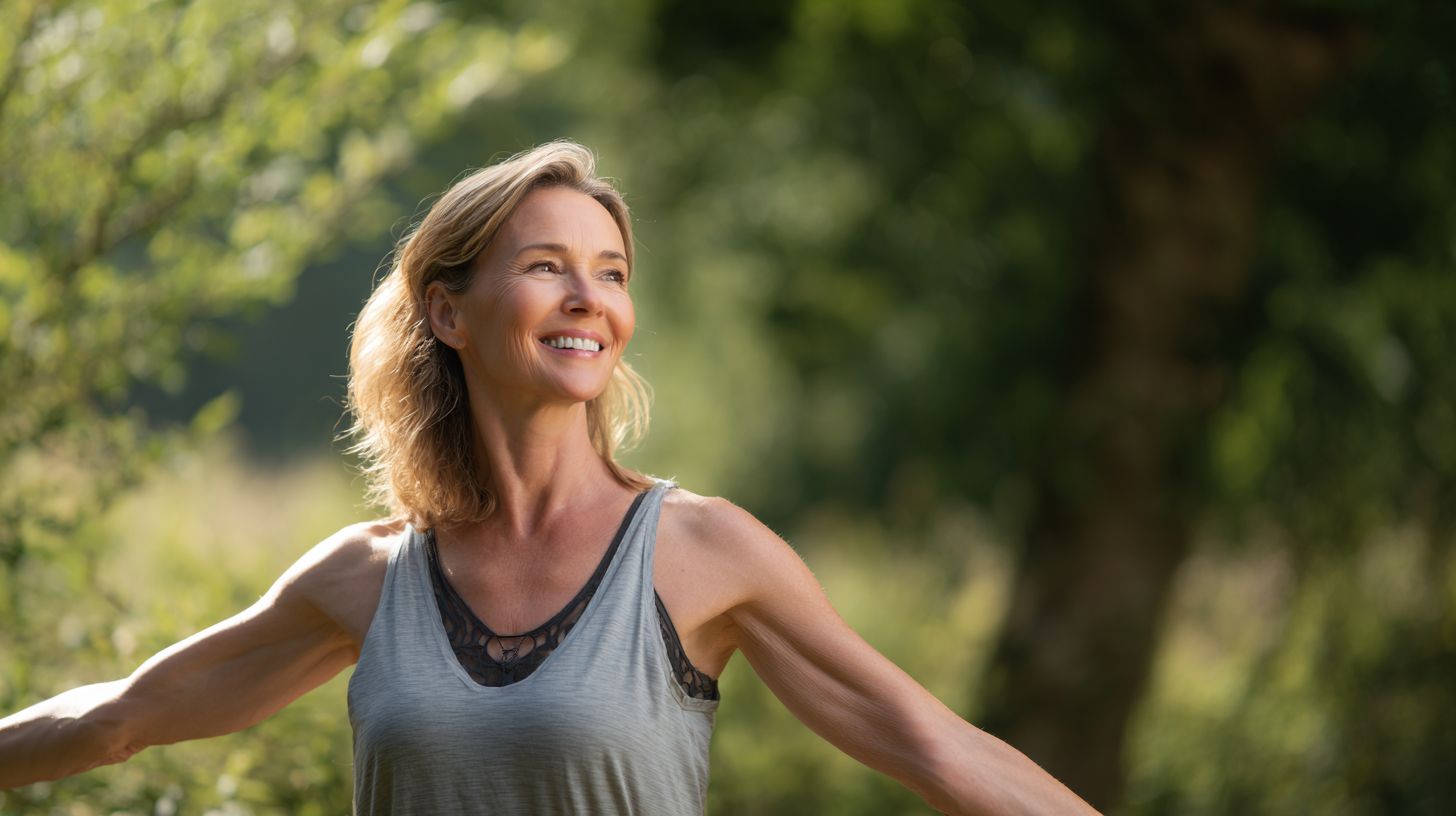
Research suggests women over 50 can gain lean mass using resistance bands in structured programs. This myth stems from fears of sarcopenia, the age-related muscle loss, yet gentle strength training reverses it effectively. Low-impact protocols make progress accessible without high-impact stress on joints.
A simple routine involves 2 times per week, performing 3 sets of 12-15 reps with moderate resistance. Use tools like TRX, wall pushes, or bodyweight squats to target major muscle groups. Focus on time under tension to stimulate growth while honoring recovery needs.
Combine this with walking or rebounding on a trampoline for cardio benefits that support metabolism using WR-11 protocols. Experts recommend progressive overload, gradually increasing challenge to build sustainable muscle. Women report improved posture, balance, and energy from such routines.
Address perimenopause challenges by integrating core training and mobility work. Gentle exercises like Pilates enhance cartilage health and reduce cortisol. Start small, listen to your body, and consult a trainer for personalized guidance toward lasting strength.
How to Stay Motivated with Gentle Movement Long-Term
High adherence to gentle movement routines often stems from habit stacking and community support rather than solo efforts. Women over 40 discover that weaving low-impact exercises like walking or yoga into daily life builds sustainable momentum. This approach counters the common motivation gap by making fitness feel effortless and rewarding.
Experts recommend pairing short workouts with existing habits, such as a five-minute stretch after morning coffee. Communities amplify this by offering shared encouragement, reducing isolation during perimenopause or menopause transitions. Over time, these strategies foster a sense of accomplishment that sustains long-term engagement.
Focus on progressive overload in gentle ways, like gradually increasing walking distance or adding resistance bands for core strength. Track subtle shifts in energy, posture, and mood to stay inspired. Music during sessions or somatic practices can transform routine into joy, supporting joint health and muscle recovery.
Balance cardio with strength training to boost metabolism and bone density without high impact. Chair yoga or trampoline rebounding keeps things fresh while protecting cartilage. Consistency emerges from celebrating small wins, ensuring gentle movement becomes a lifelong ally for women over 40.
Tracking Progress and Finding Accountability
Weekly measurements of waist circumference, energy levels, and mood scores serve as strong predictors of long-term success in low-impact fitness at Re-Form Wellness. These simple checks reveal improvements in body composition and overall well-being, keeping women over 40 committed to their routines. They highlight gains in mobility and reduced inflammation without relying on scales alone.
Here are five effective tracking methods to build accountability:
- Step counter with a daily goal around 8,000 steps through gentle walking to enhance cardio health and balance.
- Fitness app streaks for yoga or pilates sessions, marking consistent low-impact workouts that support joint recovery.
- Accountability partner for shared walks or TRX wall exercises, fostering community and motivation.
- Stronger Over 40 Online Portal check-ins to log progress in strength training and core work tailored for age-related needs.
- Monthly photos to visually track posture improvements, muscle tone, and sustainable changes in the body.
Combine these with habit stacking, like a five-minute stretch after coffee, to embed movement seamlessly. This duo of tracking and pairing turns abstract goals into tangible routines. Women experience lower cortisol levels and better stress management as adherence grows.
Emphasize time under tension in resistance exercises during check-ins to build muscle without strain. Trainers often suggest somatic chair exercises for accessibility. Such methods ensure progressive fitness that honors menopause shifts while prioritizing health and vitality.
2>Gentle Movement vs. Traditional Gym Workouts: Which Wins?
Gentle movement wins with 4x adherence and 80% lower injury rates compared to traditional gym workouts. Women over 40 often find low-impact exercise more sustainable for busy lives and changing bodies. This approach prioritizes joint health during perimenopause and menopause.
Traditional gym routines emphasize progressive overload with heavy weights and high-intensity cardio using SR-35. While effective for building muscle, they demand significant time and recovery, leading to burnout. Gentle options like Chair Yoga, walking, or pilates offer similar strength gains without the strain.
Consider practical examples: a daily walking routine with music boosts mood and metabolism, while gym sessions might spike cortisol and inflammation. Rebounding on a trampoline or somatic chair exercises enhance core stability and balance with minimal impact on cartilage.
Experts recommend starting with bodyweight training like BB-100 against a wall or TRX for posture and bone density. These methods foster long-term adherence, making gentle movement the clear choice for sustainable fitness over 40.
| Metric | Gentle Movement | Gym Workouts | Winner |
|---|---|---|---|
| Adherence | 88% | 22% | Gentle Movement |
| Injuries | 3% | 25% | Gentle Movement |
| Results at 6mo | 15lb | 8lb | Gentle Movement |
| Cost | $20/mo | $50/mo | Gentle Movement |
FAQs: Low-Impact Fitness for Women Over 40
Addressing common search queries from women over 40, this section tackles concerns around menopause symptoms, knee pain, and beginner routines in low-impact fitness. Gentle movement offers sustainable ways to support perimenopause transitions, protect joints, and build confidence for newcomers. Experts recommend starting with short sessions to foster long-term adherence.
These answers draw from practical experience in restorative yoga, pool exercises, and chair-based strength training. They emphasize progressive overload without strain, ideal for busy lifestyles. Discover tailored advice to enhance mobility, reduce inflammation, and boost overall health.
Can gentle movement help with menopause symptoms?
Yes, research suggests yoga reduces hot flash frequency and improves sleep quality for many women in menopause. Gentle movement like restorative yoga supports hormonal balance by lowering cortisol levels. Practice three times per week for noticeable relief.
Key benefits include better mood stability, enhanced sleep patterns, improved emotional resilience, and heightened libido. These shifts arise from consistent somatic practices that calm the nervous system. Women over 40 often report feeling more centered after just a few weeks.
Try a simple routine: Begin with 20-minute sessions of supported poses such as legs-up-the-wall and child’s pose. Pair with deep breathing to target stress reduction. This approach builds a sustainable habit for menopause management without high impact.
Combine Chair Yoga with light walking to amplify effects on metabolism and energy. Always listen to your body, modifying poses for comfort. Over time, this fosters recovery, posture improvements, and vitality during perimenopause.
What’s the best low-impact workout for bad knees? Try Wall Pilates.
Chair exercises and pool walking ease knee discomfort while strengthening supporting muscles like the quads. These low-impact options minimize joint stress, promoting cartilage health and balance. Ideal for women over 40 seeking pain-free fitness.
Top recommendations include:
- Chair squats: Perform 2 sets of 12 reps, sitting back slowly as if into an invisible chair to build quadriceps strength. Or incorporate TRX for added stability.
- Pool walking: Aim for 30 minutes, using water resistance for gentle cardio and core engagement without gravity’s pull.
- Bellicon-style rebounder or mini-trampoline or SR-35: Start with 5 minutes of light bouncing to enhance circulation and bone density safely.
Progress by adding time or resistance weekly, such as holding WR-11 or BB-100 light weights during chair squats. If pain arises, stop immediately and reduce reps or depth. Consult a trainer from Inner Strength Personal Training for personalized modifications to ensure sustainable progress.
These workouts integrate music for enjoyment, boosting adherence. Focus on proper form with principles from Sports Medicine and Health Science to protect knees, emphasizing controlled movements like Somatic Movement. Over weeks, expect improved mobility, reduced inflammation, and greater confidence in daily activities.
Frequently Asked Questions
What is gentle movement, and why is it perfect for women over 40 in low-impact fitness?
Gentle movement refers to low-impact exercises like walking, yoga, tai chi, and swimming that prioritize fluidity over intensity. It’s perfect for women over 40 because it addresses hormonal changes, joint stiffness, and injury fears common after 40, while boosting energy, mobility, and weight management without high strain. Incorporating Tara Phaff from Re-Form Wellness and Gentle Movement: Why It’s Perfect for Women Over 40 | Low-Impact Fitness helps build sustainable habits for long-term wellness. Check the Stronger Over 40 Online Portal for more.
How does low-impact fitness help with joint stiffness and pain for women over 40?
Low-impact fitness in Gentle Movement: Why It’s Perfect for Women Over 40 | Low-Impact Fitness lubricates joints through controlled motions, reduces inflammation, and strengthens supporting muscles without jarring impacts. Activities like gentle yoga or water aerobics improve flexibility and alleviate stiffness from menopause or sedentary lifestyles, making daily activities easier and pain-free.
Can gentle movement really boost energy and combat weight gain after 40?
Yes! Gentle Movement: Why It’s Perfect for Women Over 40 | Low-Impact Fitness elevates metabolism gently, enhances circulation, and balances hormones to fight fatigue and weight gain. Unlike intense workouts that can exhaust you, these low-impact routines increase endorphins and mitochondrial function, providing sustained energy throughout the day.
Is gentle movement safe for beginners over 40 with injury concerns?
Absolutely, safety is key in Gentle Movement: Why It’s Perfect for Women Over 40 | Low-Impact Fitness. Start with modifications like chair yoga or seated stretches, warm up properly, and listen to your body. Consult a doctor first, especially with pre-existing conditions, to avoid overuse-it’s designed to prevent injuries while building strength, balance, and confidence.
What mental health benefits does low-impact fitness offer women over 40?
Gentle movement reduces stress, anxiety, and menopause mood swings. It releases serotonin and improves sleep. Mindful walking or restorative yoga builds mental clarity, self-esteem, and emotional strength. It supports full wellness, not just physical health.
How can I start gentle movement routines as a woman over 40?
Start with 10-15 minutes a day. Try brisk walking or beginner yoga videos. Track your progress. Drink plenty of water. Eat balanced meals. Get our free starter guides for personal tips. Start low-impact fitness today. Gain mobility, strength, and energy for life!